


vidia revealed a torrent of new products at GTC 2026. But beyond the cores, exaflops, and tokens, Nvidia wants to play a larger leadership role in the AI industry, and there's some urgency around why.
So rather than focusing on the chips and hardware announced (spoiler: all are faster and more efficient than previous models), we're going to focus on the downstream effects of these chips and their larger impact on the tech ecosystem.
These were the trends that dominated the show:
- Robots and Physical AI: As expected, robots were wandering all around the San Jose Convention Center this week. Some gave out candy, some greeted you at the information desk, and others showed off their dexterity at tasks such as picking up Beanie Babies or opening boxes. Nvidia, of course, unveiled new offerings for the entire physical AI realm, including new models for autonomous vehicles and robots, solutions to the data bottleneck, and partnerships with companies ranging from Uber to Figure and World Labs. Though the chip giant isn’t making any robots itself, Nvidia’s strategy is clear: To provide the foundation for anyone who wants to build AI that moves through the real world.
- Agents: Nvidia unleashed a lot of hyperbole about OpenClaw at GTC, including calling it the biggest open-source project of all time (it's not, it's simply the one with the most stars on GitHub). Still, there's no denying that personal AI agents are the ChatGPT-level trend of 2026. And beyond hyping it up, Nvidia also delivered NemoClaw, a secure, private framework that makes OpenClaw safer and easier to use — especially for professionals.
- Open models: Another area where Nvidia doubled down hard at this year's GTC was its open models. Just before GTC, Nvidia unveiled Nemotron 3 Super, its 120B parameter model that is now one of the most open models in the world and is performing surprisingly well in benchmarks. But the big news at GTC was the announcement of the Nemotron Coalition, which brings together Nvidia's six open model families and partner companies investing in open models. Perplexity, Cursor, Thinking Machines Lab, Mistral AI, Black Forest Labs, LangChain, Reflection AI, and Sarvam are inaugural members.
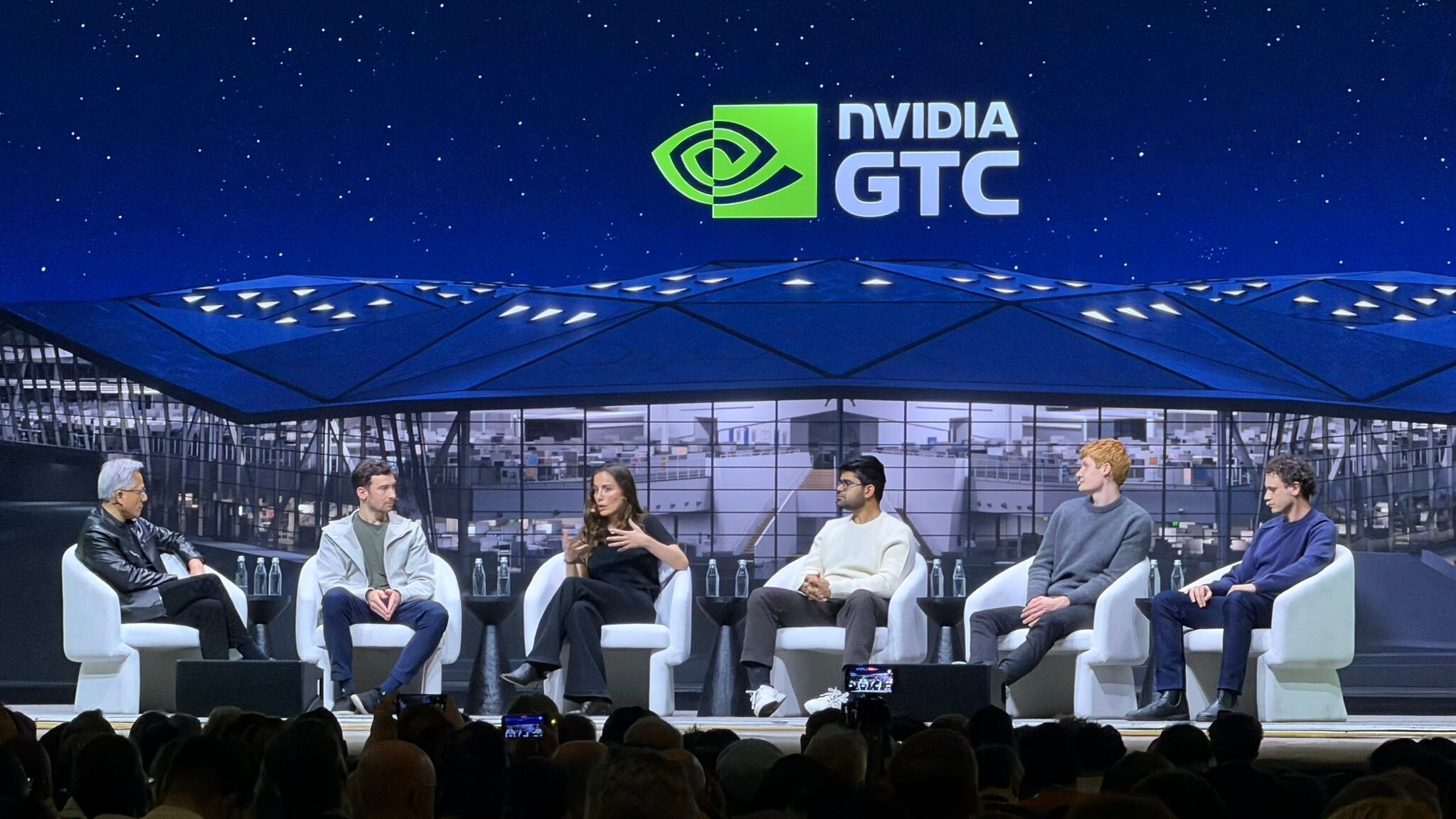
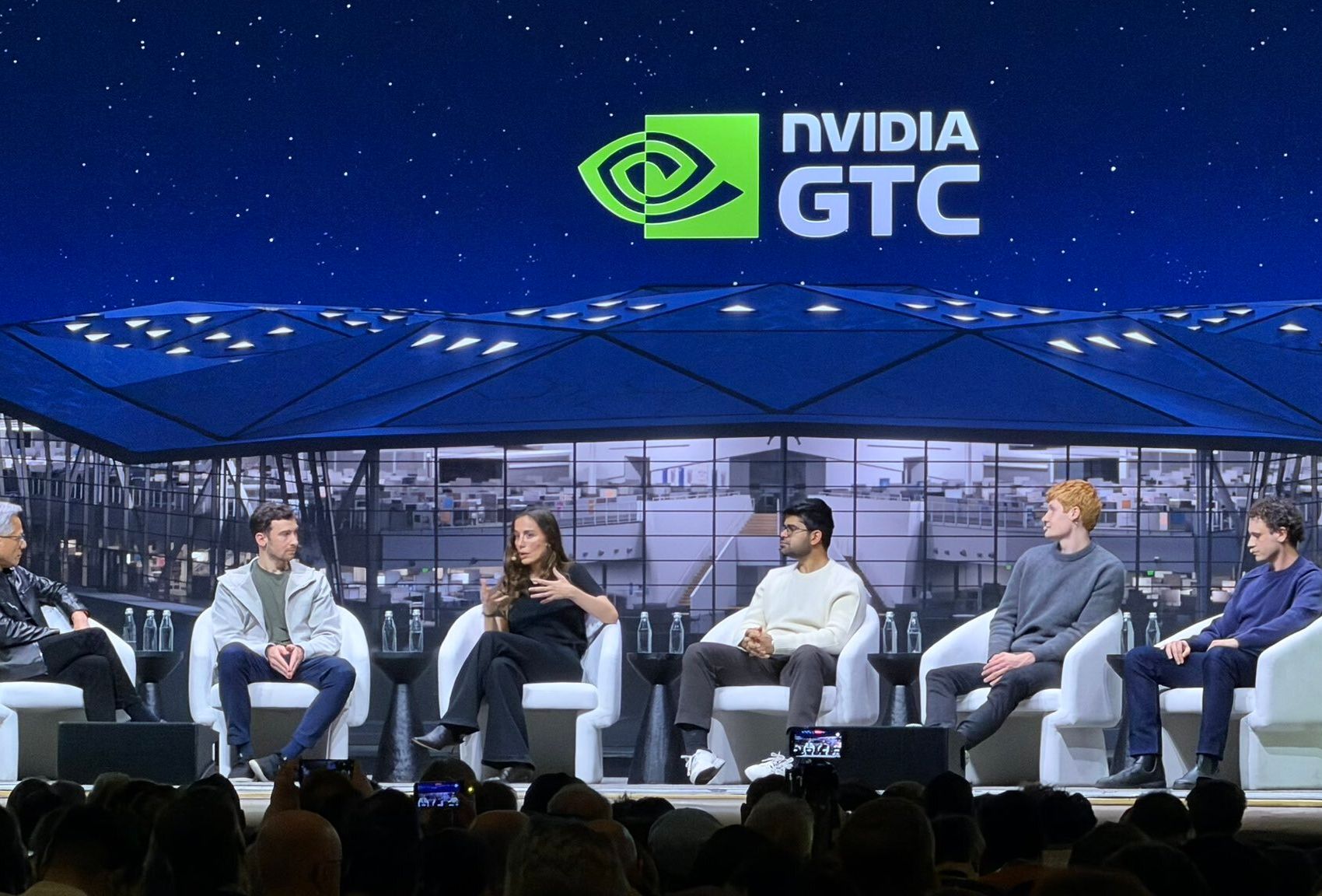
- AI and jobs: Coding tools were the talk of the town at GTC. But even though these tools are making the future of software engineering look unclear, some of AI’s biggest names are looking at the tech’s impacts beyond code. In a panel, executives of major AI startups largely agreed that coding is simply the first generation of automation, representing a far larger shift that could impact all knowledge work. As Nvidia CEO Jensen Huang said to the panel in front of a packed theater, “almost all work can be specified as code.”
Our Deeper View
If one thing is clear from the past week, it’s that Nvidia is hustling to keep itself at the center of the AI universe. But the secret sauce that has put it center stage is not just its GPUs but its CUDA software platform for working with those GPUs and other chips. And that factor is now in question. Companies like Modular (which was also at GTC) are working on making a better CUDA that's more efficient and works across more platforms, including Nvidia's biggest rivals. And whether it's Modular or someone else, it feels inevitable that the CUDA advantage is destined to come to an end for Nvidia. So how will it keep itself centered? It will do so by spreading its influence far beyond chips and CUDA, extending its roots into open models, agents, and physical AI. The more it has to offer, the more it can reel in loyal customers to a sticky ecosystem of interconnected AI platforms. To put it plainly, Nvidia doesn’t just want to be a strong competitor in the AI space, it wants to be the game maker.